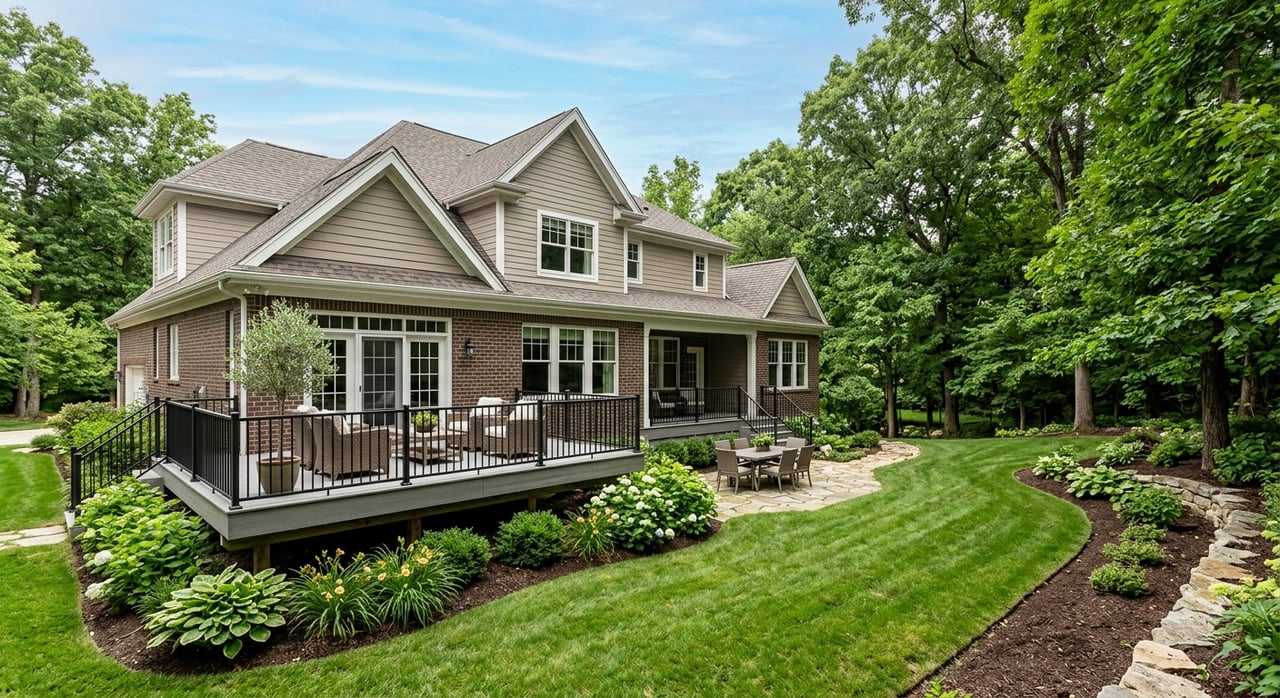
If you are thinking about selling your home in Gibsonia, one question matters right away: how do you price it well without leaving money on the table or scaring buyers away? That can feel like a tough balance, especially in a market where home values, buyer expectations, and days on market can vary a lot from one property to the next. The good news is that with the right prep and a pricing strategy built around your specific home, you can start strong and make smarter decisions from day one. Let’s dive in.
Understand the Gibsonia market first
Gibsonia is active, but it is not a one-price-fits-all market. Public market data for early 2026 shows different headline numbers depending on the source, including a typical home value around $478,262 on Zillow, a median listing price of $425,000 on Realtor.com, and a much lower median sale price on Redfin that was based on only three sales.
That gap tells you something important. In Gibsonia, price depends heavily on property type, size, condition, and how well your home matches the current buyer pool. Smaller homes, townhomes, midrange detached homes, and larger properties can all fall into very different price bands.
That is why broad township averages are only a starting point. If you want to sell well, your plan should be based on homes that truly compare to yours, not just a ZIP code headline.
Why pricing right matters in Gibsonia
In a market like Gibsonia, overpricing usually does not create more leverage. It often creates more time on market. Local dashboard data suggests homes are generally selling a little below asking, with Realtor.com showing an average of 2.52% below list and Zillow showing a 99.2% median sale-to-list ratio.
That does not mean you should underprice your home. It means your launch price should reflect what buyers are actually willing to pay for a home with your layout, condition, lot, and updates. When a home is priced tightly to the right comp set, it is often better positioned to attract early interest.
Early interest matters because buyers notice how long a listing sits. If your home lingers, you may end up making price cuts later that could have been avoided with a stronger first price.
Start with a narrow comp set
The best pricing conversations begin with comparable sales, but not just any sales. Fannie Mae guidance says the strongest comps have similar physical and legal characteristics, including site, room count, finished area, style, and condition, and should come from the same market area when possible.
In practical terms, that means your Gibsonia home should be compared first to recent sales in the same neighborhood or nearby competing area. From there, adjustments can be made for square footage, lot size, age, upgrades, and overall condition.
This matters because Gibsonia has a wide price spread. Recent public sold examples have ranged from about $265,000 to more than $1.6 million. That kind of range is exactly why a broad average can mislead sellers.
What a good comp review should include
A solid pricing review should look at:
- Recent closed sales that closely match your home
- Pending or under-contract listings that show current buyer demand
- Active listings that represent your competition
- Differences in condition, updates, layout, and lot features
- The likely buyer pool for your specific home
The goal is not to chase the highest number you can find. The goal is to find the price range where your home looks compelling compared with the alternatives buyers will see.
Prepare your home before listing
Price and preparation work together. Even in a healthy market, buyers tend to be more condition-sensitive than many sellers expect. According to the 2025 Remodeling Impact Report, 46% of buyers are less willing to compromise on condition.
That helps explain why visible improvements often matter more than a big, expensive remodel before listing. If your goal is resale, the best return often comes from making the home feel well cared for, clean, and move-in ready.
Focus on visible fixes first
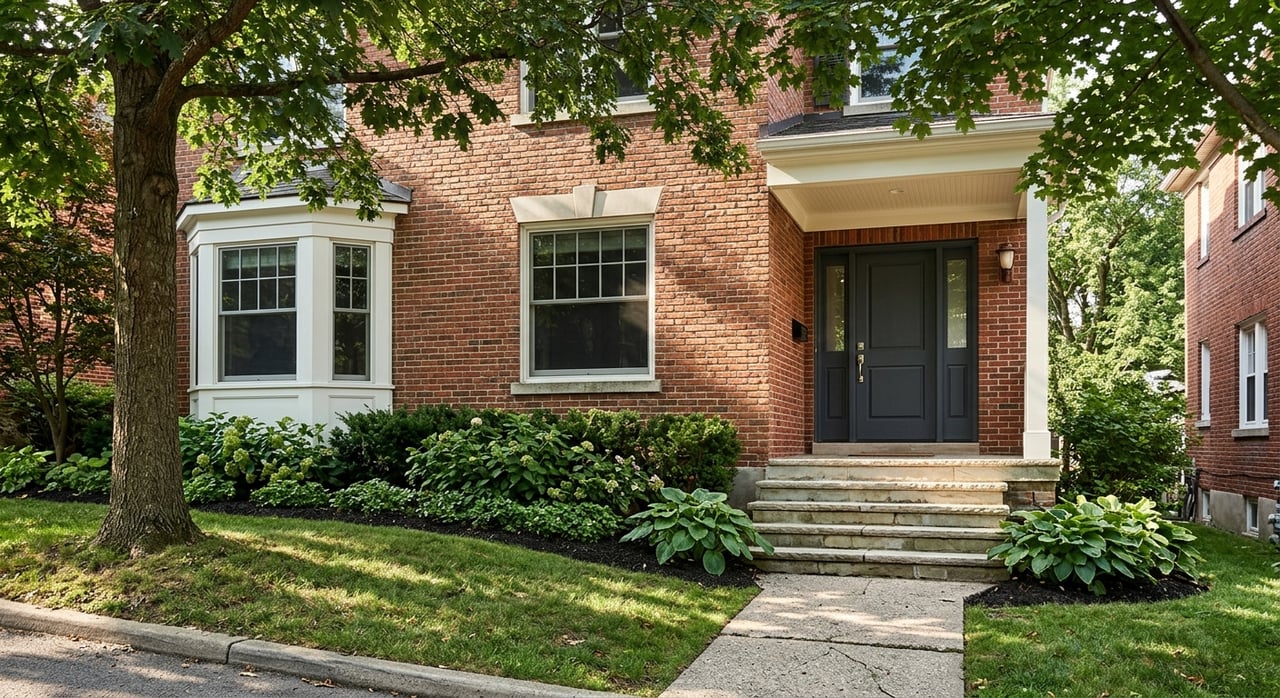
Before listing, it often makes sense to address the issues buyers notice right away. Painting, minor repairs, and improving the front entry can have a stronger impact than a major renovation that may not fully pay you back.
The same remodeling report noted that real estate professionals most often recommend:
- Painting the entire home
- Painting one room
- New roofing before listing
It also found strong cost recovery for targeted projects like:
- New steel front door
- Closet renovation
- New fiberglass front door
For many Gibsonia sellers, that points to a practical strategy: improve presentation, fix obvious wear, and spend carefully where buyers will notice it most.
Clean, declutter, and simplify
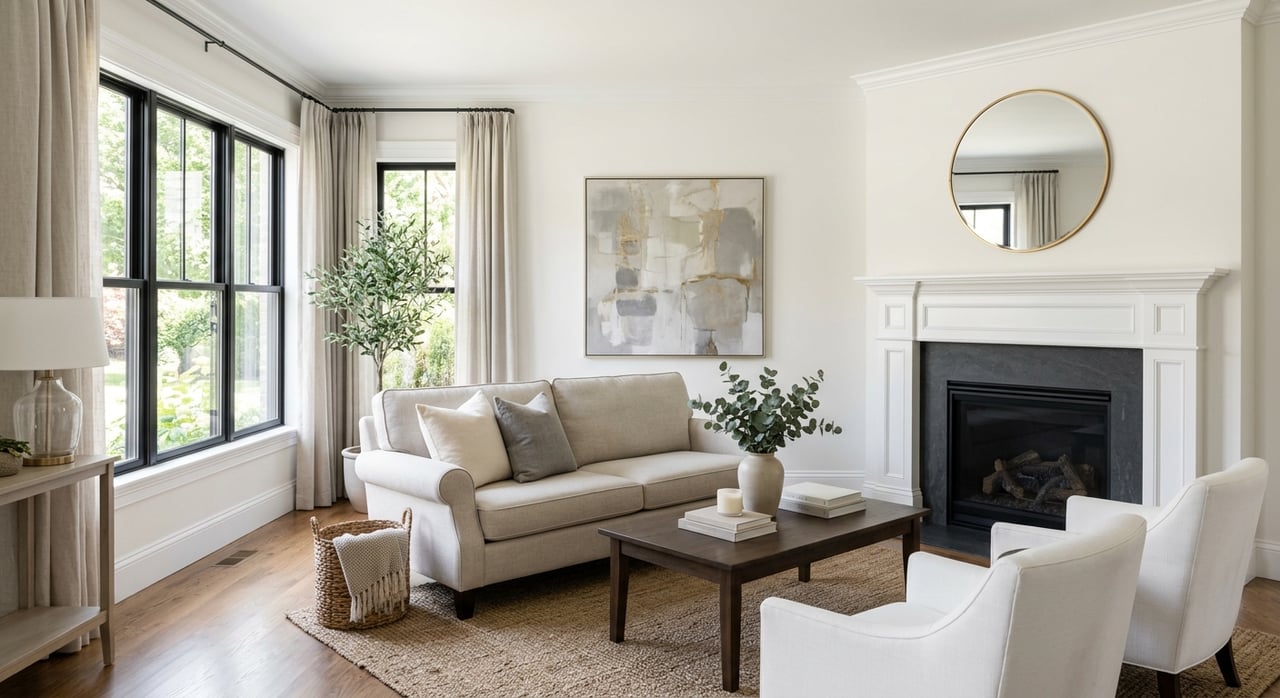
Decluttering is one of the most effective things you can do before your home hits the market. The 2025 home staging survey found that 83% of buyers’ agents said staging made it easier for buyers to picture a home as their future home, and 49% of sellers’ agents said staging reduced time on market.
You do not always need full-service staging to benefit from that insight. In many cases, a cleaner, simpler version of your existing home does the job well.
Start with the basics:
- Remove excess furniture
- Pack away personal photos and collections
- Clear kitchen and bathroom counters
- Organize closets and storage areas
- Deep clean the entire home
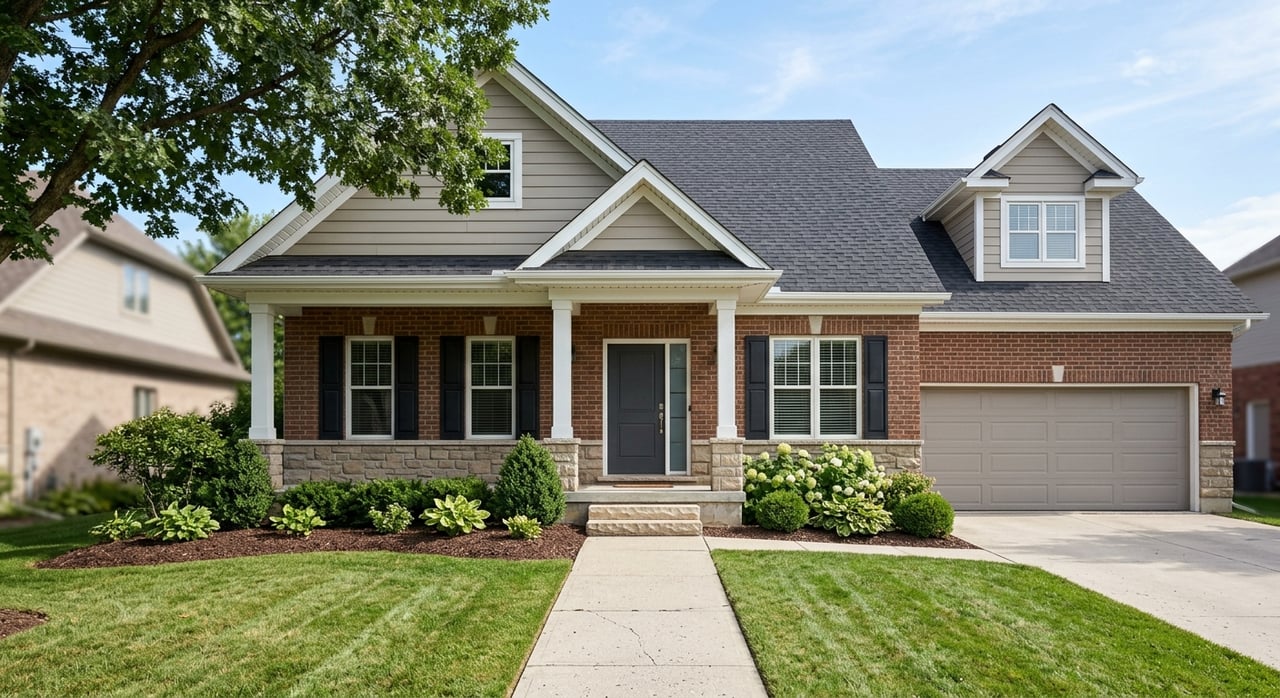
- Tidy the yard and front entry
According to the same survey, the most common recommendations from sellers’ agents were decluttering the home, cleaning the entire home, and improving curb appeal. Those are smart, practical first steps for Gibsonia sellers.
Prioritize key rooms
If you are deciding where to focus your effort, pay special attention to the spaces buyers notice most. The most commonly staged rooms were the living room, primary bedroom, and dining room.
That means your main living spaces should look open, bright, and easy to understand in photos and in person. If a room feels crowded or overly personalized, buyers may have a harder time seeing its potential.
Be honest about condition
Pennsylvania requires sellers to disclose known material defects that are not readily observable, and the seller disclosure statement is not a warranty. That makes honest preparation especially important before you list.
If your home has known issues, those conditions should be part of the pricing conversation from the start. It is usually better to price with those realities in mind than to hope buyers will overlook them later.
A clear plan helps here. Some sellers choose to fix issues before listing, while others price accordingly and let buyers know the home is being sold in its present condition. The right path depends on your budget, timeline, and how those issues compare with competing listings.
Think about net proceeds too
List price gets the attention, but net proceeds are what matter at closing. In Richland Township, the 2026 budget states that the local realty transfer tax is 2% total, made up of 1% to Pennsylvania and 0.5% each to the township and Pine-Richland School District, and it is collected by the Allegheny County Recorder of Deeds.
That does not change how your home should be priced, but it does affect what you take away from the sale. A good selling strategy should look beyond the top-line number and help you understand how pricing decisions connect to your bottom line.
A practical Gibsonia selling plan
If you want to prepare and price your home well, keep the process simple and focused. Start with what buyers in your price range are likely to compare your home against, then make improvements that help your home show at its best.
Here is a smart seller checklist:
- Review recent nearby comps that truly match your home
- Study active and pending listings that compete with yours
- Identify visible repairs and condition issues
- Declutter, deep clean, and improve curb appeal
- Refresh key rooms with paint or small updates if needed
- Factor known defects into pricing and disclosure
- Consider your expected net proceeds, not just the asking price
When those steps work together, your home is more likely to make a strong first impression and attract serious buyers.
Why local guidance helps
Selling a home in Gibsonia is not just about listing it and waiting. It takes careful pricing, thoughtful preparation, and a clear understanding of how buyers are comparing options in this market.
That is where local knowledge can make a real difference. Stephanie Heisel brings a calm, detail-oriented approach and a strong understanding of Pittsburgh’s north suburban communities, helping sellers make informed choices without unnecessary stress.
If you are getting ready to sell and want a clear plan for prep, pricing, and next steps, reach out to Stephanie Heisel for personalized guidance.
FAQs
How should you price a home in Gibsonia, PA?
- The best way to price a home in Gibsonia is to use a narrow set of comparable sales with similar size, style, condition, and location, then adjust for features like updates, lot size, and finished space.
What home improvements matter most before selling in Gibsonia?
- The most valuable pre-listing work is often visible, practical improvement such as painting, fixing obvious defects, deep cleaning, decluttering, and improving curb appeal.
Does staging help when selling a home in Gibsonia?
- Yes. Staging or simplified presentation can help buyers picture themselves in the home, and survey data shows it can reduce time on market and sometimes improve the offer amount.
Do Pennsylvania sellers need to disclose problems with a home?
- Yes. Pennsylvania requires sellers to disclose known material defects that are not readily observable, and those issues should be considered as part of the pricing strategy.
What closing cost should Gibsonia sellers know about?
- Sellers should understand the local realty transfer tax structure in Richland Township, where the total is 2%, because it affects net proceeds even though it does not determine the list price.